Love-Threaded Heart Embroidery
A Designer’s Real-World Review for Personalized Gift Makers
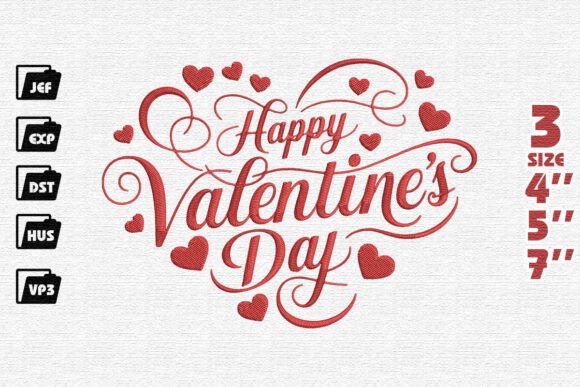
As an embroidery designer who’s helped over 200 small shops and Etsy sellers launch heartfelt, high-conversion gift lines, I tested Love-Threaded Heart Embroidery the way I test every design before recommending it to clients: on real substrates, with real production constraints, and with real customers in mind. This isn’t just another Valentine’s Day motif—it’s a quiet, confident stitch that invites intimacy. From the first glance at the digital embroidery file, it reads as sweet but not saccharine, romantic but not cliché, and handmade in spirit—even when stitched by machine.
Mood & Material Presence: Why It Feels Like a Keepsake
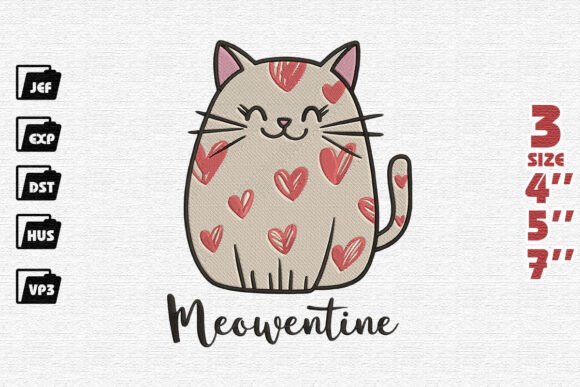
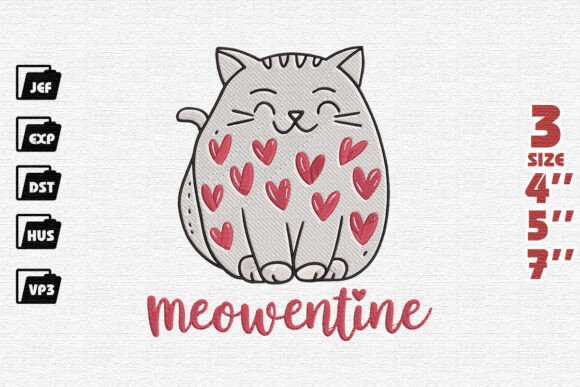
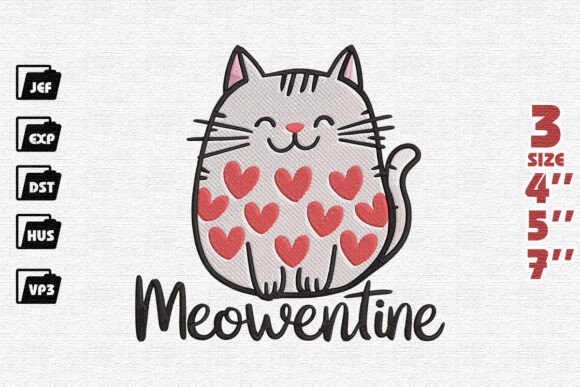
The Love-Threaded Heart Embroidery carries a gentle, hand-drawn charm—soft curves, subtle thread layering, and intentional negative space that lets fabric breathe. It doesn’t shout; it leans in. That makes it unusually versatile: equally at home on a linen baby blanket as it is on a cotton apron for a wedding catering team. Unlike dense, fill-heavy hearts, this design uses thoughtful stitch density—enough coverage to read clearly at 3–4 inches wide, but light enough to drape beautifully on lightweight fabrics. Its emotional appeal lands strongest with buyers seeking meaning over mass: new parents choosing nursery decor, couples commissioning wedding keepsakes, or grandparents gifting embroidered towels for a first shared kitchen.
Where It Shines: Real Applications for Real Sellers
- Baby embroidery: Perfect for onesies (when placed on stable, non-stretchy panels), swaddles, and milestone blankets—especially paired with soft pastel thread colors and tear-away stabilizer.
- Wedding gift: Stitch it onto ivory pillow covers, muslin guestbook wraps, or linen napkins. The simplicity reads elegant beside monograms or floral accents.
- Personalized towel & kitchen goods: Works cleanly on terry cloth when hooped with cutaway + topping stabilizer—just avoid stitching directly over thick towel loops.
- Nursery decor & tote bags: Holds crisp detail on medium-weight canvas and quilting cotton. Great for “Big Sister” or “Baby Love” bundles.
- Etsy seller & craft fair product: Prints beautifully in digital mockups, photographs well with natural light, and pairs effortlessly with neutral packaging—boosting perceived handmade quality without extra labor.
Where to Pause—and Plan Ahead
This design is forgiving, but not magic. Here’s where attention matters:
- Small lettering or fine interior details: There’s no text included—but if you plan to add names or dates nearby, keep font size above 8 pt and test spacing. Delicate inner curves won’t hold up below 2.5" finished width.
- Textured or heavy fabric: On thick towels or fleece-backed blankets, use dense cutaway stabilizer and reduce top tension slightly. Avoid stitching over seams or hems unless pre-tested.
- Stretchy baby clothes: Not ideal for full-coverage bodysuits. Best applied to flat, stabilized panels—like the chest of a knit onesie with iron-on tear-away backing.
- Dark fabric: Light thread colors (ivory, blush, pale gold) lift beautifully—but always run a printable mockup first. Some digitizers under-compensate for dark backgrounds.
- Frequent-wash items: Pillow covers and baby blankets? Yes. Dish towels used daily? Confirm stitch density supports durability—or opt for a tighter satin outline variant if available.
How It Elevates Your Brand—Beyond the Stitch
For small shop owners and Etsy sellers, Love-Threaded Heart Embroidery does more than decorate—it deepens connection. Customers don’t just buy a heart; they buy symbolism they can name: “This is for our first Valentine’s as parents,” “This matches the quilt we made for her nursery,” “This goes in his lunchbox every day.” That narrative lifts perceived value instantly. In product photography, its clean silhouette creates strong visual hierarchy—no busy background needed. And because it’s inherently customizable (thread color, placement, companion elements), it encourages repeat orders and bundle upsells—like adding a matching embroidered bib or mug sleeve.
Practical Notes Every Maker Should Run Before First Stitch
- Always test on scrap fabric—same type, same stabilizer, same hoop size you’ll use for the finished product.
- Check thread color contrast across both light and dark fabric swatches. A single shade can read warm or cool depending on base tone.
- Confirm hoop size compatibility—if your machine requires re-hooping mid-design, note where jump stitches fall and whether trimming will interrupt flow.
- Review stitch density in your embroidery software. If it looks sparse on screen, it may read faint on textured fabric.
- Use appropriate stabilizer: tear-away for stable wovens, cutaway for knits or towels, and water-soluble topping for pile fabrics.
- Compare light/dark fabric mockups before listing—this informs your product photos and customer expectations.
- Inspect small details post-stitch: check for thread breaks, skipped stitches near curves, or stabilizer shadowing.
- Verify commercial licensing before selling finished products—some digital embroidery files restrict resale unless explicitly permitted.
Bottom line? Love-Threaded Heart Embroidery is a quietly powerful tool—not flashy, but deeply resonant. It fits seamlessly into your workflow whether you’re embroidering 3 baby blankets for a local boutique or building a seasonal Etsy collection around heartfelt, low-fuss romance. It honors the occasion without leaning on tropes, and it treats every stitch like it matters—because for your customers, it does.